
Why Proper Blood Collection Technique Is Essential for Accurate Laboratory Results
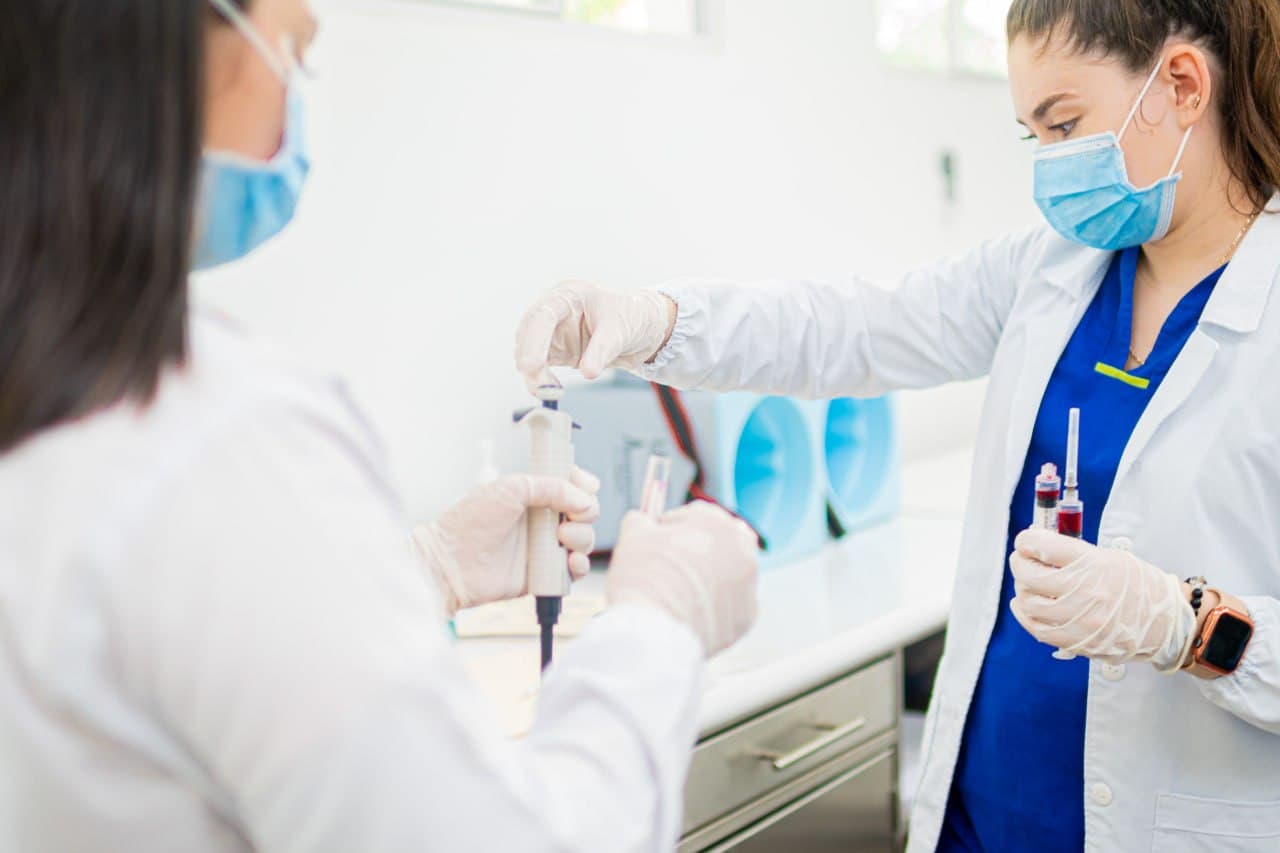
Every year, millions of laboratory tests are performed in the United States, and the quality of each result begins with one important step—proper specimen collection. Healthcare experts continue to emphasize that accurate blood collection techniques are critical for ensuring reliable laboratory testing and supporting informed clinical decisions.
Phlebotomy Technicians play a key role in this process. From verifying patient identity to correctly labeling specimens and following infection control procedures, every step contributes to the accuracy of laboratory results and patient safety.
Small Errors Can Have a Big Impact
Even minor collection errors may affect test quality, including:
• Incorrect patient identification
• Improper tube selection
• Inadequate specimen handling
• Delayed transportation to the laboratory
• Incorrect order of draw
Following standardized collection procedures helps reduce the likelihood of specimen rejection and supports consistent, high-quality patient care.
The Importance of Professional Training
Modern Phlebotomy Technicians receive training in:
• Venipuncture techniques
• Capillary blood collection
• Infection prevention and control
• Patient communication
• Specimen labeling and handling
• Laboratory safety standards
Strong technical skills combined with attention to detail help ensure that healthcare providers receive accurate laboratory information for diagnosis and treatment.
Building Confidence Through Certification
National certification demonstrates that a Phlebotomy Technician has developed the knowledge and practical understanding needed to perform blood collection safely and professionally. Certification also reflects a commitment to quality, patient safety, and ongoing professional development.
As laboratory medicine continues to evolve, skilled and certified Phlebotomy Technicians remain an essential part of the healthcare team, helping deliver reliable diagnostic information that supports better patient outcomes.
July 2026