
Understanding ECG Artifacts: Why Every EKG Technician Should Recognize Them
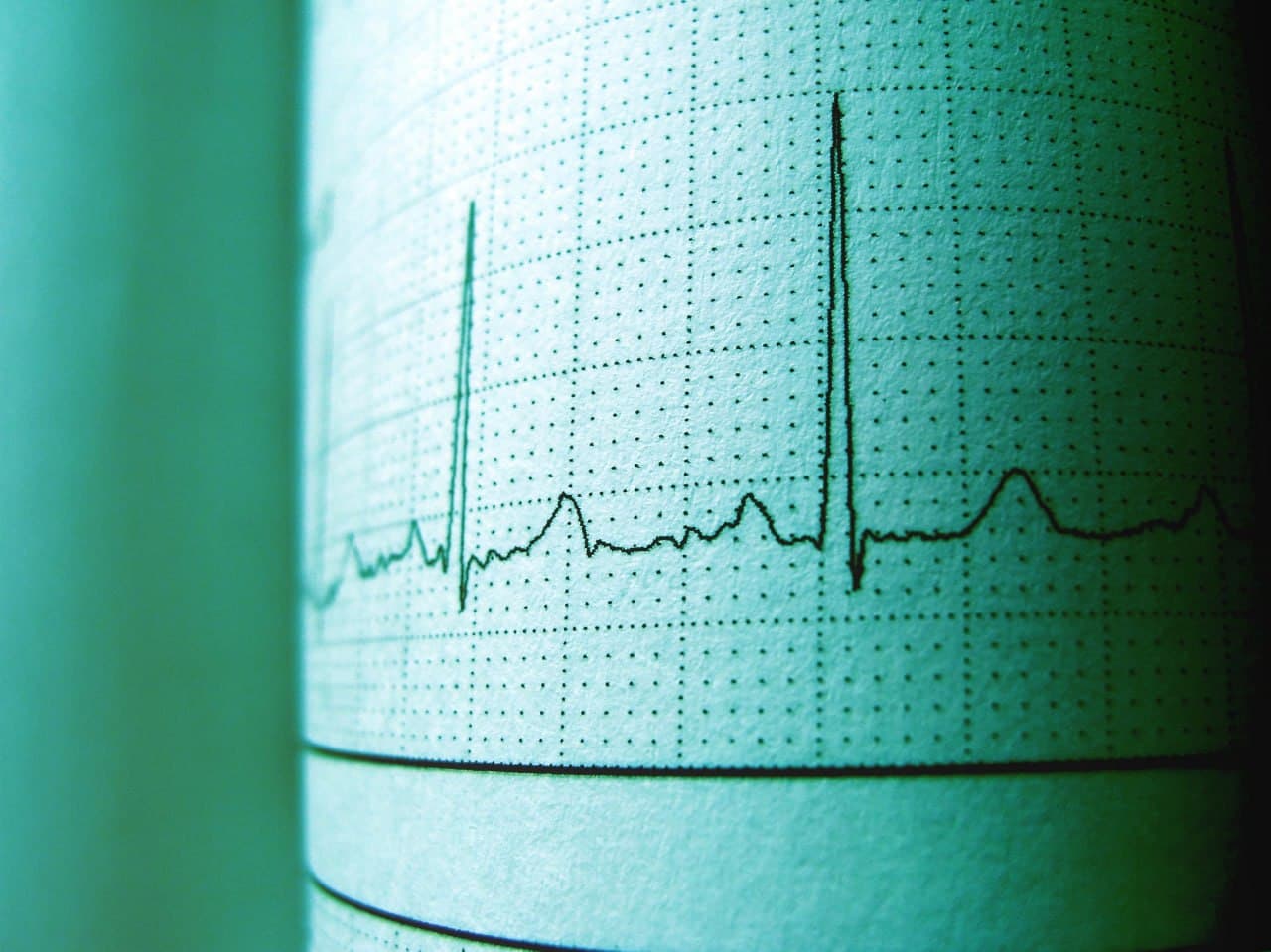
Electrocardiograms (ECGs) are among the most frequently performed diagnostic tests in healthcare, helping physicians evaluate heart rhythm, detect cardiac abnormalities, and guide treatment decisions. However, even the most advanced ECG equipment cannot compensate for poor electrode placement or patient movement.
One of the most important responsibilities of an EKG/ECG Technician is recognizing and preventing ECG artifacts—electrical interference or signal distortions that can affect test quality.
What Are ECG Artifacts?
An ECG artifact is any unwanted signal that appears on an electrocardiogram but is not caused by the patient's heart activity. Artifacts may resemble abnormal heart rhythms and, if not recognized, can lead to unnecessary repeat testing or delays in patient care.
Common causes include:
• Patient movement during the procedure
• Loose or improperly attached electrodes
• Poor skin preparation
• Electrical interference from nearby medical equipment
• Muscle tremors or shivering
• Why Proper Technique Matters
Accurate ECG recordings begin before the machine starts collecting data. Certified EKG Technicians are trained to:
• Prepare the patient's skin correctly
• Position electrodes according to established standards
• Minimize electrical interference
• Verify signal quality before completing the test
• Recognize common recording errors before submitting results
Attention to these details helps physicians interpret ECGs with greater confidence while reducing the need for repeat examinations.
Supporting Better Patient Care
High-quality ECG recordings contribute to faster diagnoses, more efficient clinical workflows, and improved patient outcomes. Every accurate tracing provides healthcare providers with reliable information to evaluate cardiac function and determine the most appropriate treatment.
Building Professional Confidence
National certification helps EKG/ECG Technicians develop the knowledge and practical skills needed to perform diagnostic testing accurately and consistently. Through proper training and adherence to clinical standards, certified technicians play an essential role in supporting safe, effective cardiovascular care.
July 2026